|
|
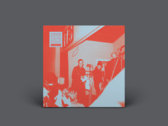
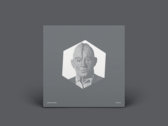
FB013: Paul Baran Format: CD TRACKLIST 1. Scotoma Song INFORMATION: Partially inspired by the writings of the theorist Jeremy Bentham and the concept of globalization, and assisted by Werner Dafeldecker, Ekkehard Ehlers, Keith Rowe, Andrea Belfi and a list of other fine collaborators, Paul Baran has created "Panoptic" - an attempt to soundtrack the lives of creative people affected by such concepts as underclass, surveillance and the dangers of mass consensus. Baran intends "Panoptic" to be a collection of electro-acoustic atmospheres that underscore these concepts, without resorting to blind polemic. And as for the sound of it all - think electro-acoustic, minimalist, idea based, experimental fusion, conceptual improvisation with contemporary song structures. Paul Baran PERSONNEL:
Recorded between April 2007 and Jan 2009 at Q10 studios, La Chunky Studios, Glasgow and Amann Studios, Vienna, Austria. REVIEWS: The Wire, Rob Young: Paul Baran is a new name, a Scotin his mid-thirties who plays organs, grand and upright pianos, and the usual rattlebag of prepared guitar, percussion, field recordings and 'objects'. He also spirits in some treated vocals, in a hushed death-rattle tone, on the opening "Scotoma Song". A scotoma is a medigal term referring to a blind spit that develops on the retina, and this whole record's governing theme is of blindness and whole sight (not least the title, whith its allusion to the Panopticon, the all-seeing architecture devised by Enlightenment philisopher Jeremy Bentham). With the likes of Werner Dafeldecker, Keith Rose, Rhodri Davies and Andrea Belfi on board, Panoptic is an impressive debut. "I don't remember anything at all," Baran grates, as he mentions inserting a card into a PIN slot. The electronic surveillance thee is reprised in "PIN-Snipers", and an atmosphere of awakening in a paranoid mindstate, in a bostile environment, prevails – a foreboding sense of darkness at noon. Tiny Mix Tapes, Elliott Sharp: Paul Baran's Panoptic is grounded on a concept, and so we get to play the sometimes impossible and oftentimes frustrating game of matching up the sounds with the ideas that motivated the artist. As exasperating as this might be, it’s certainly stimulating to be invited to the discussion by an artist who, having ruptured the stale and passive relationship many have with the sounds they consume, thinks that the listener has an active role to play as the one who discovers the elusive connection between concept and sound. Baran — joined by Keith Rowe, Werner Dafeldecker, Armin Sturm, Rhodri Davies, Sarah Whiteside, Andrea Belfi, Gordon Kenney, Davy Scott, and Timothy Cooper — conceptualizes Panoptic as “an attempt to soundtrack the lives of creative people affected by such concepts as underclass, surveillance and the dangers of mass consensus.” The title takes its name from Jeremy Bentham’s Panopticon, a prison designed such that the prisoners are always being watched but never know with certainty that they are. The sounds have an uncomfortable feeling flowing throughout them, some sort of suspicious, tingling presence, patiently brooding but waiting to rupture. The fear of perpetual surveillance, though, doesn’t quite capture the eeriness and paranoia of Panoptic's minimal drones, whirrs, and clicks of mysterious ambient sound. The true terror comes when one realizes that the external gaze of authority has been internalized, and that one is self-policed. We can imagine city streets while absorbing these sounds — desolate places where few bodies move due to the overwhelming mistrust of the always cloaked gaze — but we can also understand these sounds as being internal bodily and thought processes: imagine something that is never uttered aloud, but through whose suppression it becomes an instance of psychological torment. The internal and external world Panopticportrays is not the Dionysian orgy of unhindered creative ecstasy. The bodies in this world are not free, but are governed by a multitude of invisible and unconscious forces: the static washes over random digital beeps of ultimate alienation and loneliness; piano phrases that drift timidly; the hum of an acoustic guitar; metallic objects screeching in the distance like the swings of some abandoned, lifeless playground. Most engaging is Baran’s understanding of space on this recording. Sounds enter the ear from unpredictable places — lurking, approaching, and disappearing — showing that Baran has created an entire world of shifting, dislocated, and, perhaps puzzlingly warm atmospherics. Despite this album’s tendency to make the hairs stand up on the listener’s neck, it is undeniably welcoming. While paranoia and alienation seem to be the most pronounced moods motivating this album, it is not itself lifeless. The objects are allowed to speak for themselves, and there is certainly some beauty — not just visually, but also aurally — about empty spaces where humans once walked but have now fled. Toward the end of the album, beginning with “Brauzenkeit (Ekkehard Ehlers Mix),” a new, more disruptive presence emerges; the rumbles and glitches become more confident, as if they’re preparing to shrug off their restraints. On “PIN-Snipers,” one gets the impression that there is some detrimental glitch in the machines — that they aren’t quite working as well as they should be. The rupture finally occurs with “To Protest In Their Silence,” which is the most violent sound-moment of the composition. A mechanical fire bursts forth and the static pulses turn on one another antagonistically, an event that allows us to see the weaknesses within the watchful structures of domination. It is this rupturing moment that is the most important, for it suggests the possibility that these power structures, and the forms of life they perpetuate, are necessarily dependent upon us, and not vice-versa. It is by capturing this real possibility that makes Panoptic such a dynamic and critical sound-experience. Musique Machine, Roger Batty: For much of it’s running time 'Panoptic' mangers to summon up this wonderfully heady yet doomed feeling of 3am paranoia & sleepless-ness. It’s an album that somehow mangers to sound strange & awkward, hypnotic, drowsy & bizarrely soothing often all at the same time. Simply put a master class in sonic uneasy ,doubt & crawling paranoia that slow but sure drip’s into you like poison lace honey or bad LSD in syrup. Don’t’ expect a quick hit of grimness & uncomfortable-ness here because 'Panoptic' builds it’s jittering, edgy & down-right doomed wonder over time & slowly swallows your mind in a hazy of crippling dread & doubt. One of the late coming highlights of 2009 & truly a must have item. Adverse Effect/Fourth Dimension, Richard Johnson: Scottish composer, improviser and electro-acoustic artist Paul Baran has here assembled an album of pieces that play around with all of these approaches within often mournful or somewhat sombre song settings. Utilising all from organs, pianos, guitar, 'objects', voice and field recordings, etc. himself, and assisted by guests including Keith Rowe (prepared guitar), Sarah Whiteside (cello), Werner Dafeldecker (double bass, voice, electronics) and others, each piece is anchored to a restraint that borders on the minimal. Mannered tinkling, distantly bowed strings, indiscernible shuffling folds of sound, random bursts of non-explosive noise, carefully picked strings, dog-tuned tones and so on all lend themselves to a refrain inspired by notions of the underclass, constant surveillance, the mass consensus and the writings of theorist Jeremy Bentham. The feeling of space being steadily consumed by creeping yet increasingly abundant causes for paranoia and suffocation being only too apparent although, remarkably, Baran ostensibly succeeds here for side-stepping the obvious in terms of playing and, indeed, convention. Soundofmusic, Sven Rånlund: Att dedicera en skiva kan betyda mer än att man slänger en hi-five till polarna. Paul Baran tillägnar Panoptic Edward Saïd, John Pilger Slavoj Zizek och andra för vad de intellektuellt bidrar med, närmare bestämt ”enlighten, elucidate, and fight to keep the mind open, free and evolving”. Tankens musik är vad Panoptic förmedlar. När jag skriver det är jag tämligen säker på att jag lyckas göra Paul Barans ambitioner rättvisa, för den smakfulla plattan på göteborgsbolaget Fang Bomb består av mer stoff än jag förmår omvandla i ord. Inte bara för att skivan spänner över ett samhällskritiskt idéinnehåll som kanske förtjänat en egen intellektuell analys, utan också för alla de genrer som finns representerade: improv, elektroakustiskt, jazz, såsig lounge, minimalistisk electronica, lo-fi pop, musik för begravningståg. Och experimenten, jomän, ofta låter det som om studiotiden föregåtts av utflykter på skroten, mycket skrotnicke låter det. Nämnar man Paul Barans influenser är det väl lämpligt att säga vilka han spelar med, fint folk också de. Bland annat medverkar Keith Rowe på preparerad gitarr, Werner Dafeldecker på kontrabas och livelektronik, Rhodri Davies på preparerad harpa, slagverkaren Andrea Belfi, en låt är en mix signerad elektronisten Ekkehard Ehlers. Puh. Plattan är inspelad under ett och ett halvt år i flera studior, med Barans bas på hemmaplan i Glasgow. Att Storbritannien är världens kameraövervakningstätaste land är bekant, möjligen är Skottland i samma liga. I musiken finns en stark, närmast fysiskt oro i musiken. Ett hypnotiskt obehag, kalla det kanske paranoia. En stillsam, kuslig låt heter ”Love Under Surveillance” med Paul Baran på flygel, Armin Sturm på kontrabas, Andrea Belfi som prasslar fjunlätt på trummorna och Werner Dafeldecker som gör något diskret med liveelektronik. Det är inte lätt att beskriva vad som händer musikaliskt, både spelsätt, förhållningssätt och instrumentering skapar den atmosfär som gör skivan så märkvärdig och njutbar. Jag gillar blandningen av genrer, från melodibaserat till helt fritt, lågmälda ljudrum och plötsligt en elektrokustisk explosion. Timothy Cooper spelar euphonium på ett par låtar, detta mäktiga brassinstrument som här liksom flyter över en drömskt drone av fältinspelningar, utdragna elgitarrackord och elektroniskt pyssel som låter flrrrrrrpp och hrrmpptsssss... Keith Rowe knyter ihop skivan på två avslutande låtarna. På den ena, ”Jackson and Lee”, skaver Rowe på sina strängar medan Paul Baran skevar kollosalt på sin elgitarr och vaggande pratsjunger frasen ”Back… and forth.. and back… and back…and right… and white… and left… and back…” tills man nästan trillar ur sig själv. Det är ett skickligt samarbete, förstås. Musiken tränger sig inte på, den kryper, scannar sig fram, viskar genom walkie-talkies .Träinstrument som vibrerar blandas med ljudande elektronik utan att det för en sekund gnisslar falskt. Panoptic är en vacker, flyktig hybrid. Radio France, Tapage Nocturne, Eric Serva: Paul Baran est un compositeur de musique électro acoustique écossais installé à Amsterdam depuis 2009 . Sur son nouvel album, intitulé Panoptic, il réunit d'excellents musiciens dont Kieth Rowe à la guitare préparée, Werner Dafeldecker à la contrebasse à la voix, à l'électronique et au talkie-walkie, Sarah Whiteside au violoncelle, Andrea Belfi sur différentes percussions et effets électroniques. Armin Sturm est à la contrebasse, Rhodri Davies à la harpe préparée et Timotht Cooper à l'euphonium (tuba ténor). Paul Baran joue de l'orgue, du grand piano, des guitares préparées, des percussions et utilise également un talkie walkie, des objets divers et des effets électroniques. Onze plage figurent sur cet excellent album, des plages acoustiques, électriques et électroniques, majoritairement instrumentales à deux exceptions près. Toutes sont assez mélodiques et prennent en général la forme d'une promenade sonore chaotique et bancale, une promenade qui se transforme parfois en errance et déambule de manière fantomatique entre Morton Feldman et Gary Wilson. Il faut préciser que l'étrangeté de ces compositions est due au cahier des charges de cet album conçu comme une bande son capable d'illustrer la vie de gens créatifs touchés par les concepts de sous-classe, de surveillance et de danger du consensus de masse. Un concept un peu fumeux mais qui a le mérite d'avoir donné naissance à une oeuvre forte, intense et particulièrement touchante. De:Bug, ASB: Der schottische Komponist und Klangdesigner Paul Baran hat, inspireiert von den Schriften des englishen Sozialreformers Jeremy Bentham und Globalisierungskonzepten einige hochklassige Improvisierer wie Kieth Rowe, Werner Dafeldecker, Andrea Belfi und Rhodri Davies und Ekkehard Ehlers als Remixer in mehreren Studios aufgenommen; an attempt to soundtrack the lives of creative people affected by such concepts as underclass, surveillance and the dangers of mass concensus". Mmmh... Musikalisch ist das jedenfalls eine meist sehr ruhige und enspannte bis melankolische Mischung aus Improvisation und Elektro-Akustik mit akustischen Elementen (Orgeln, Klaviere, Gitarre, Percussion, Stimme, Walkie Talkies, Schlagzeug, Harfe, Cello und Euphonium) und deren elektronischer Bearbeitung. Die Aufnahmen sind gut gemacht, fallen aber gegen Ähnliches nicht aus dem Rahmen. Sentireascoltare, Vincenzo Santarcangelo: Soltanto omonimo del geniale ingegnere polacco che ha fornito un contributo fondamentale, grazie alla messa a punto del concetto di rete decentrata e ridondante, alla nascita di internet, il nostro Paul Baran è, invece, un sound-artist di Glasgow che sguazza a meraviglia nei flussi musicali del dopo-internet. Blow Up, Nicola Catalano: Gran dispergo di risorse umane e mezzi strumentali per la realizzazione di questo "Panoptic" di Paul Baran, scozzese, classe 1975. A scorrere le note di copertina si adocchiano, tra gli altri, i nomi di Keith Rowe, Werner Dafeldecker, Rhodri Davies, Andrea Belfi (più Ekkehard Ehlers che si occupa di sfaldare in missaggio i già astratti contorni di Brauzenkeit) e attrezzi tra i più disparati, dai pianoforti ai walkie talkie, dall'euphonium, all'arpa preparata... Uomini ed oggetti che già orientano sui contenuti dell'album, spontanee schermaglie impro-avant in formazioni miste, che non disdegnano di transformarsi con grande sobrietà e partecipazione emotiva in subitanea forma canzone, com nell'iniziale Scotoma Song, o viceversa in deflagrante intemperanza brutista, accade con To Protest In Their Silente. Quasi tutta farina del sacco de Baran, ma l'impressione che se ne ricava è quella di un'opera corale, frutto di riflessioni e concertazione collettiva, anchoré di un'intensa da navigati scultori della scrittura estemporanea. (7/8). Monsieur Délire, François Couture: Un disque étrange, hybride de musique acoustique et électroacoustique, musicale et texturale, solitaire et collective. Panoptic se veut "une bande sonore pour la vie de gens créatifs touchés par les concepts de sous-classe, de surveillance et de danger du consensus de masse". Un programme lourd, mais une musique douce, souvent immatérielle, qui va de la composition contempo-minimaliste à l'improvisation silencieuse. Paul Baran s'est entouré d'une belle brochette d'expérimenteurs, dont Keith Rowe, Werner Dafeldecker (qui fait l'erreur de chanter!), Andrea Belfi et Rhodri Davies. Long mais intrigant. A strange record, a hybrid of acoustic and electroacoustic music, musical and textural, solo yet collective. Panoptic is "an attempt to soundtrack the lives of creative people affected by such concepts as underclass, surveillance and the dangers of mass consensus." Quite a program, but the music proves to be soft, light, often immaterial, and ranges from minimal contemporary composition to quiet improvisation. Paul Baran is surrounded by a near-all-star cast of experimentalists, such as Keith Rowe, Werner Dafeldecker (who sings - he'll have to apologize for that one), Andrea Belfi, and Rhodri Davies. Long but intriguing. Paul Baran (1975) is a composer, electro-acoustic sound and improviser who is for his release ‘Panoptic’ helped by a whole bunch of people, including Keith Rowe, Werner Dafeldecker, Andrea Belfi, Rhordri Davies, Armin Sturm and many more. Among the listed instruments we see organs, grand piano, upright piano, prepared guitar, double bass, prepared harp, cello, acoustic guitar, euphonium, walkie talkie, voice and more. This is ‘an attempt to soundtrack the lives of the creative people affected by such concepts as underclass, surveillance, and the dangers of mass consensus’. I am not sure how this was all recorded, all in the various studios listed, or whether some perhaps send in their sound material. Various compositions get credit by various composers. I was thinking about the premise that Baran set out while listening to the music. Maybe there is something wrong with me, but I fail to see it. The music is mostly, up to the ninth piece, ‘To Protest In Their Silence’ mainly about quietly improvised music. That ninth piece is by return then something quiet loud, for the albums standards, with lots of electronic outbursts, but still with that feel of improvised music. Hard to see it as the soundtrack mentioned. The music is quite nice, but hardly surprising. The instruments usually play whatever they play in a pretty traditional improvised manner, where the instruments can be recognized as such. Not the greatest of works in improvised music, not the worst either. Le son du grisli, Fabrice Vanoverberg: Autour d’un casting très relevé – jugez plutôt : Keith Rowe (guitare préparée), Werner Dafeldecker (contrebasse, électronique), Rhodri Davies (harpe), Andrea Delfi (percussions) et bien d’autres – Paul Baran s’est inspiré des écrits du philosophe britannique Jeremy Bentham (1748-1832) et du concept de la mondialisation pour mettre en forme ce Panoptic assez étonnant. Inquiets des dangers qui minent la vie des créateurs de tout type et le risque du consensus de masse, le musicien de Glasgow ébauche onze titres globalement réussis, où la surprise et la personnalisation l’emportent sur le conformisme ambiant et la misanthropie facile. Articulés autour de schémas diversifiés, passant d’une chanson narquoise à un jazztronica qui bat la chamade fusion, les onze titres de l’album parviennent à maintenir une sourde tension d’où émerge une moquerie éperdument inquiète. Jamais, toutefois, ennuyeuse ou déprimante, la musique de Baran invite les expériences de Supersilent à la table de Ghédalia Tazartès, quelque part autour d’un café viennois. A d’autres instants, tels des échappées passablement graineuses, un écho de guitare acoustique préparée ou de piano virevolte autour de murmures électroniques et, le plus souvent, l’âme grinçante des machines imprime sa touche mitoyenne et cohérente. Au-delà de la démarche, qu’il n’est pas nécessaire d’appréhender pour se laisser guider dans les méandres fennesziens qui la parcourent, notre esprit se laisse guider à l’étonnement de sonorités embrigadées dans une compagnie inédite, entre Syd Barrett, John Cage, Chris Corsano et Hauschka. Entre autres repères (toujours) bienvenus. Boasting an incredible line-up (including Keith Rowe, Werner Dafeldecker, Ekkehard Ehlers and Rhodri Davies), Paul Baran's Panoptic is a somewhat high concept affair about globalisation, underclass and surveillance, but even if you're not willing to make the bridge between these ideas and the sounds strewn across the record, there's an abundance of wonderful abstract textures and immersive electroacoustic tones to get acquainted with here. The record begins with a shanty-like piece, 'Scotoma Song', complete with walkie-talkie vocals and droning organ chords, but it's only on ensuing instrumental tracks that the album's beauty and complexity truly reveals itself, peaking with the crossed signals and ghost-jazz brass phrasings of 'Tonefield'. Recommended. |
|||||||||||||||||||||